
Sustainable transit requires more than just electric motors. As a NEWBASE expert, I explain how our integrated thermal management system acts as a core catalyst for zero-emission city transitions by maximizing energy efficiency and reducing carbon footprints.
Thinking Beyond "Replacing the Engine"
When we talk about zero-emission buses, most people think only of swapping a diesel engine for a battery and a motor. But as a thermal management engineer, I know that is only half of the green transition.
The real challenge for electric buses (e-Buses) lies in energy efficiency. If an inefficient HVAC system consumes more than 30% of the battery’s energy, we are forced to install larger batteries, which increases manufacturing emissions. At NEWBASE, we believe true sustainability stems from treasuring every kilowatt-hour. Today, I want to discuss how our integrated technology plays a pivotal role in the global vision for carbon neutrality.
1. Zero-Emission Transit Thermal Solutions: Efficiency IS Environment
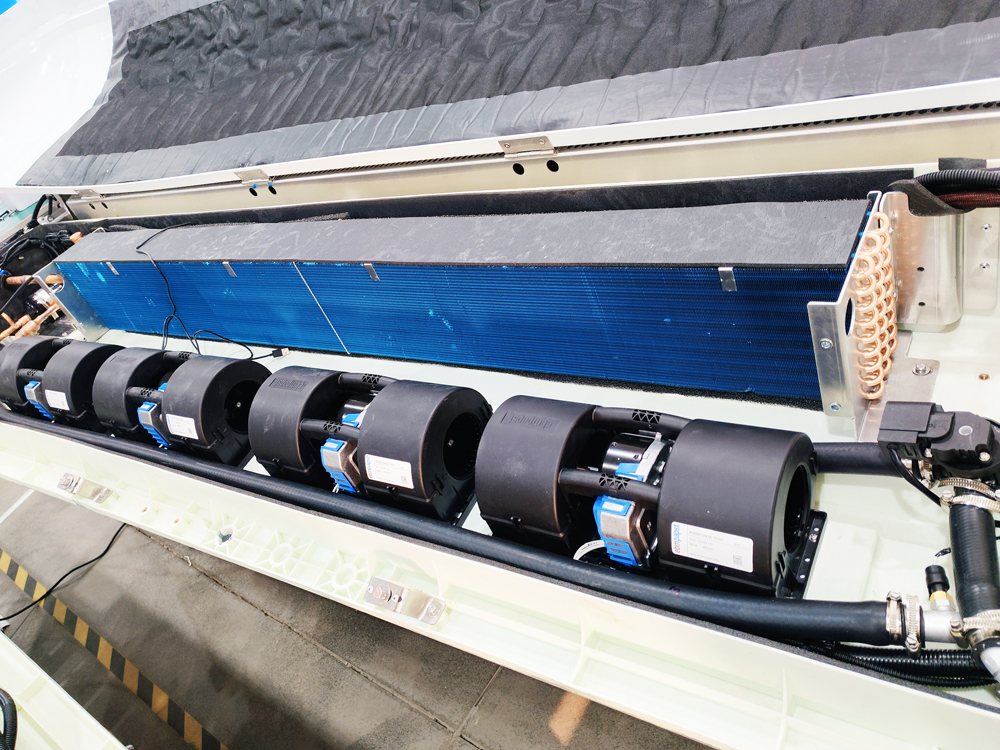
In public transportation, the core goal of Zero-emission transit thermal solutions is "to do more with less energy."
Traditional air conditioning and battery management systems operate as independent energy consumers. The NEWBASE integrated solution uses energy-sharing logic to create a micro-cycle within the vehicle.
The Synergy Effect: When the battery generates waste heat during discharge, the integrated system reclaims this heat to keep the cabin warm in winter, rather than simply venting it into the atmosphere. This "Energy Recovery" directly lowers the vehicle's total carbon footprint.
2. Reducing "Hidden" Emissions: The Eco-Impact of Lightweighting
We previously discussed how our system achieves a 20% weight reduction. From a sustainability perspective, this has profound implications:
Reduced Material Consumption: A lighter system consumes less aluminum, copper, and synthetic plastics during production.
Lower Lifecycle Emissions: For every kilogram saved, the vehicle consumes significantly less electricity to overcome inertia throughout its 10–15 year service life. This is what we mean by Sustainable electric mobility.
3. Engineering for the Future: The Evolution of Eco-Friendly Refrigerants
As a leader with 20 years of expertise in Energy efficient thermal management, NEWBASE stays ahead of international standards.
Refrigerant Evolution: We are actively developing systems compatible with natural refrigerants like R744 (CO2). Compared to traditional R410A or R134a, natural refrigerants have a Global Warming Potential (GWP) of nearly zero.
Durability & Recyclability: Our systems are designed to match the vehicle's lifespan, reducing electronic waste and material consumption caused by premature equipment failure.
4. Supporting Green Smart Cities
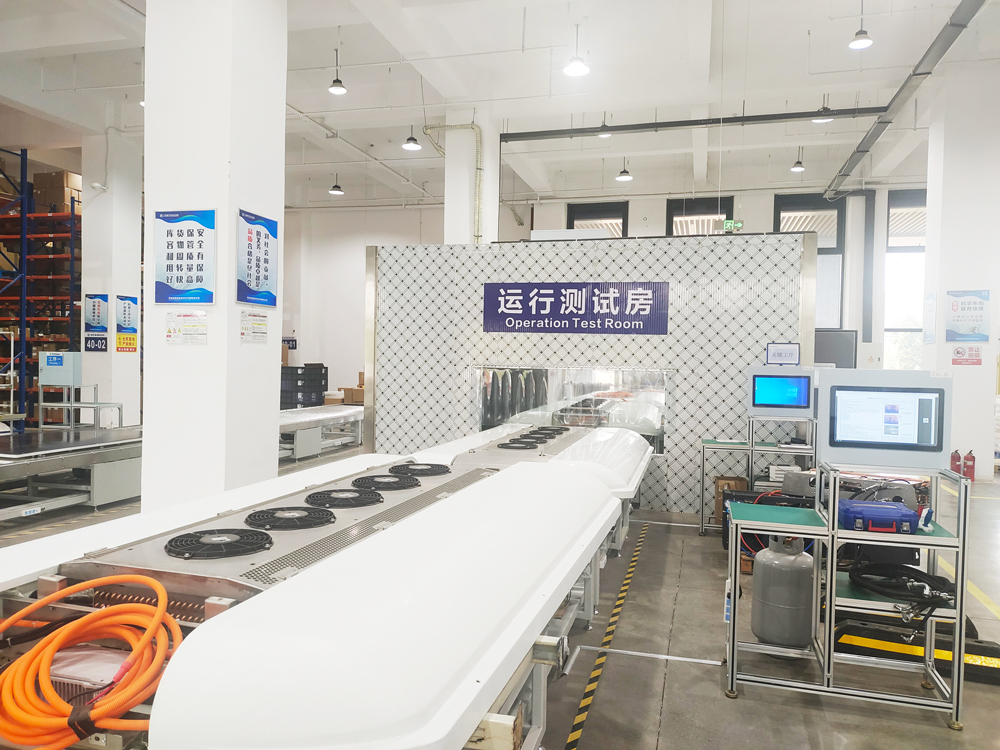
The green cities of the future require vehicles that are not only quiet and non-polluting but also intelligently integrated.
Smart Grid Compatibility: Our PID control logic can interface with smart city transit platforms. Through data feedback, planners can optimize fleet charging cycles and energy consumption.
Boosting Transit Appeal: A consistently tempered, quiet, and fresh bus cabin encourages citizens to leave their private cars behind, leading to a massive secondary reduction in urban carbon emissions.
Conclusion: Engineering Intelligence for a Cleaner Journey
At NEWBASE, we don’t just manufacture HVAC hardware; we provide the technical backbone for the world’s blue skies. Every electric bus equipped with our integrated system acts as a mobile "energy-saving fortress."
Through innovative engineering, we integrate "Intelligence, Efficiency, and Unity" into every thermal adjustment, making green transportation truly live up to its name.
Committed to Your City's Carbon-Neutral Goals?
Our expert team can provide detailed energy-saving and emission-reduction data reports to support green tenders.