

Extreme cold is the "enemy" of electric bus batteries. As a NEWBASE expert, I explain how our integrated system provides simultaneous cabin heating and battery warming without auxiliary heaters, ensuring winter range and safety.
When the Temperature Drops Below Zero, the Real Challenge Begins
If you operate an electric bus fleet in cold regions, you’ve experienced the "Winter Pain Point": to keep passengers warm, cabin heating consumes a massive amount of electricity. At the same time, the battery becomes "sluggish" due to low temperatures, causing charging and discharging efficiency to plummet.
At NEWBASE, the most frequent question we receive is: "Does your system work at -20°C?" The answer is a definitive yes. Today, I’ll share how our integrated system utilizes dual-function regulation to care for both your passengers and your battery in extreme cold.
1. The Challenge of Low-Temperature Battery Operation
Batteries, much like people, have a "comfort zone" (typically 20°C to 35°C). When temperatures drop:
Increased Internal Resistance: This leads to a shrink in usable capacity—the primary reason for "halved range" in winter.
Charging Restrictions: Forced fast-charging in extreme cold can cause lithium plating, leading to permanent, irreversible damage to the battery cells.
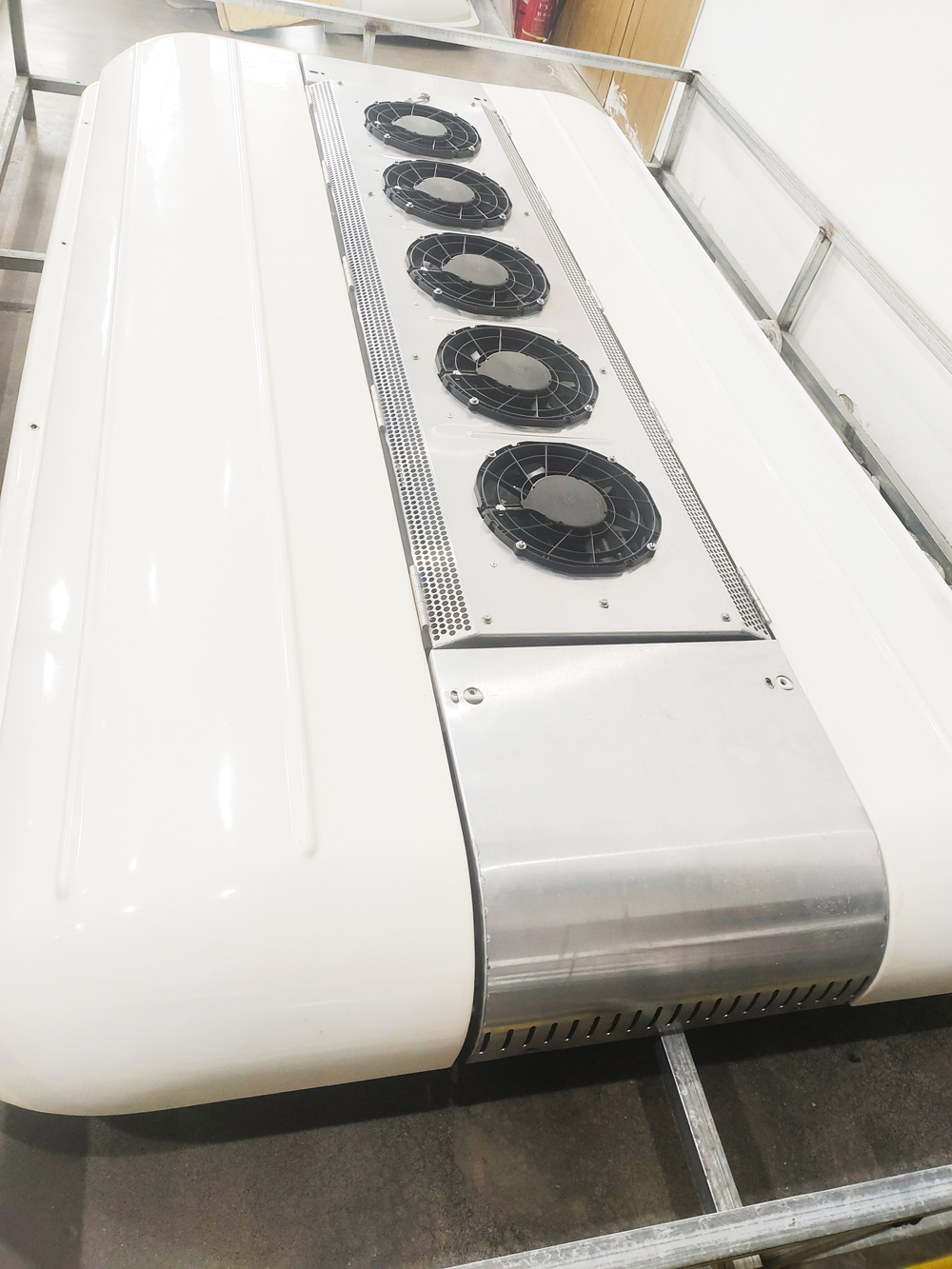
Our BTMS for Electric Bus (Battery Thermal Management System) pre-warms the battery before departure or during operation, ensuring it always stays within its optimal working window.
2. Dual-Function Innovation: No More Auxiliary Heaters
Traditional solutions often rely on high-energy-consumption PTC electric heaters or even auxiliary diesel heaters in winter. This defeats the purpose of "zero emissions" and adds unnecessary system complexity.
The NEWBASE Integrated HVAC & Battery Thermal Management System delivers a breakthrough in electric bus heating in cold climates:
Simultaneous Regulation: The system delivers warm air to the cabin while circulating heating media to the battery pack at the same time.
Energy Recovery: We intelligently reclaim waste heat from internal components (like the compressor) to maintain battery warmth, significantly reducing the drain on the main traction battery.
Lean Architecture: We’ve eliminated complex auxiliary loops. One single unit handles all cooling and heating needs for the entire vehicle.
3. Smart Control: Precision Protection Within ±1°C
In frigid environments, temperature uniformity inside the battery pack is critical. If the temperature gradient between cells is too large, it leads to uneven degradation.
Through our Smart PID Control Algorithm:
Pre-conditioning Mode: Before the bus starts its route, the system uses grid power from the charging station to warm the battery.
Dynamic Maintenance: During transit, sensors monitor cell temperatures in real-time, adjusting heat output with surgical precision.
Overheat Prevention: Even when heating the cabin at full power, the system uses Multi-channel EEVs to strictly limit the temperature at the battery inlet, preventing localized overheating.
Extreme Climate Performance Comparison
4. Why This Matters to Operators
In the world of Zero-emission transit thermal solutions, winter performance dictates fleet scheduling efficiency.
Reduced Deadheading: No need to return to the depot early for mid-day charging due to battery drain.
Asset Protection: You avoid running the battery in a compromised state, extending the overall battery lifecycle by 2–3 years.
Service Reputation: A consistently warm cabin during a freezing winter is the best proof of a transit operator's service quality.
Conclusion: Engineered for All-Weather Mobility
Climate should not be a barrier to electrification. NEWBASE’s mission is to ensure that every electric bus, whether in the tropical heat or the arctic cold, has a robust, stable, and efficient "heart and lungs."
Is your fleet struggling with winter range issues?
Let us provide you with a customized thermal management strategy for cold climate operations.