

Why do some electric buses lose significant range when the AC is on? The secret lies in the control logic. I’ll explain how NEWBASE uses Multi-channel EEVs and Smart PID algorithms to achieve the perfect thermal balance between the cabin and battery.
Moving Beyond "On" and "Off"
In the early days of electric bus design, thermal management was often a simple "binary" logic: if it's hot, turn it on; once cool, turn it off. However, in real-world operations, this crude approach leads to energy waste, shortened battery life, and inconsistent passenger comfort.
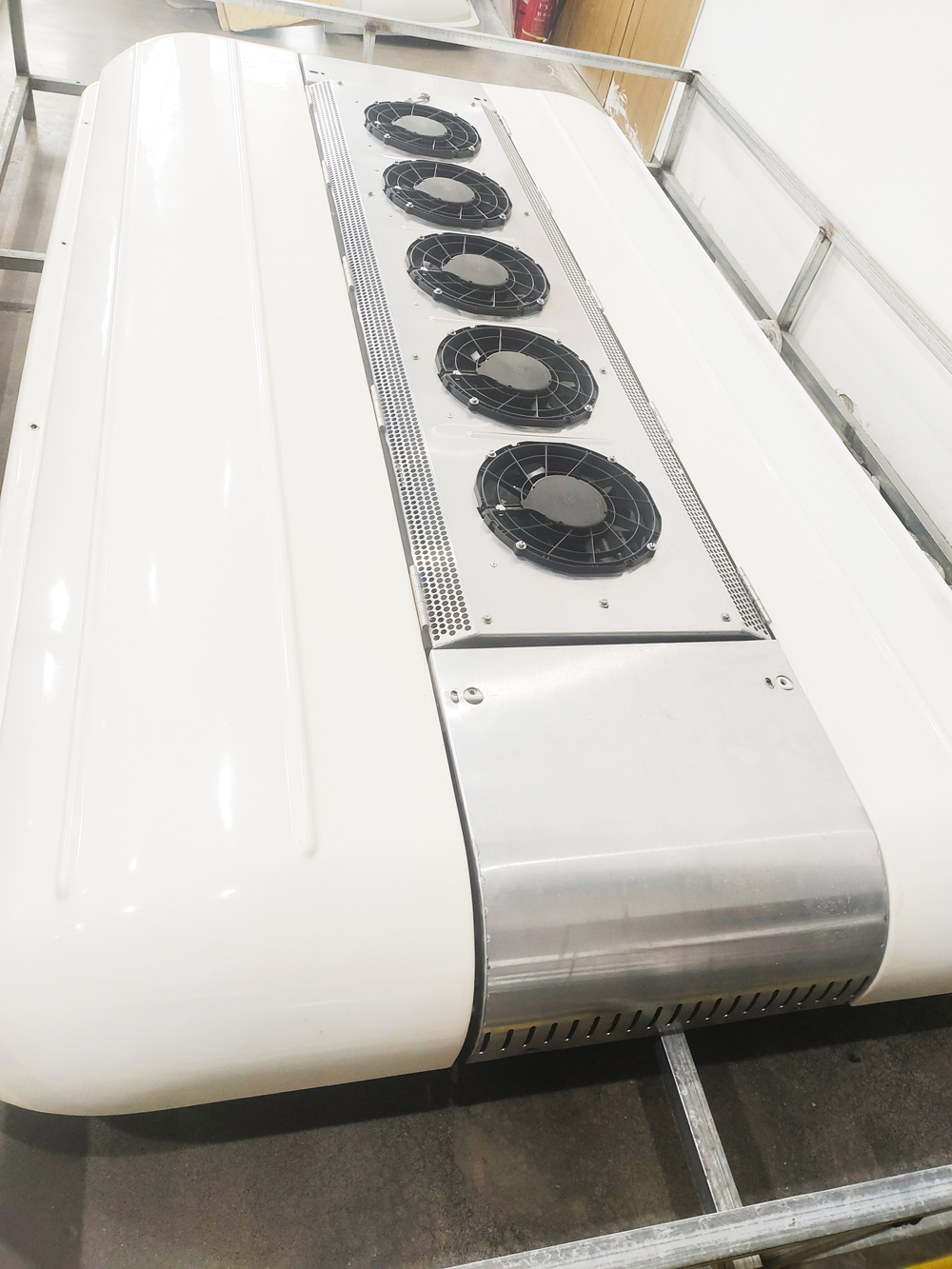
As the product lead at NEWBASE, I’ve always believed that an elite All-in-one Thermal Management System for EVs is defined not by its hardware alone, but by the intelligence governing the energy flow. Today, I want to take you under the hood of our system's "brain"—the Smart PID Control Algorithm and Multi-channel EEV technology.
1. Multi-channel EEV: The High-Precision "Traffic Controller"
Traditional HVAC systems often rely on a single thermal expansion valve, which struggles to prioritize when both the cabin and the battery demand cooling simultaneously.
In the NEWBASE integrated system, we utilize a Multi-channel EEV thermal control system. If refrigerant is the "blood" of the system, the Electronic Expansion Valve (EEV) is the high-precision valve that directs it. Driven by stepper motors, it can adjust the flow with microscopic accuracy.
Precision Distribution: The system can simultaneously deliver different refrigerant flow rates to the cabin evaporator and the battery cooling plate.
Rapid Response: Unlike traditional valves, an EEV responds to load changes in seconds, preventing refrigerant flood-back or starvation.
2. PID Algorithm: The Commander of Dynamic Balance
An actuator is only as good as the logic driving it. The NEWBASE PID controlled EV thermal management system processes massive amounts of data from our P+T pressure and temperature sensors in real-time.
How does it work?
PID stands for Proportional, Integral, and Derivative. While it sounds academic, its performance is remarkably intuitive:
Proportional: If the cabin is far above the setpoint, it runs the compressor at full speed.
Integral: it eliminates "static error," ensuring the cabin stays exactly at 24°C rather than fluctuating between 22°C and 26°C.
Derivative: It predicts trends. If sensors detect a large group of passengers boarding, the system preemptively ramps up cooling before the temperature even begins to rise.
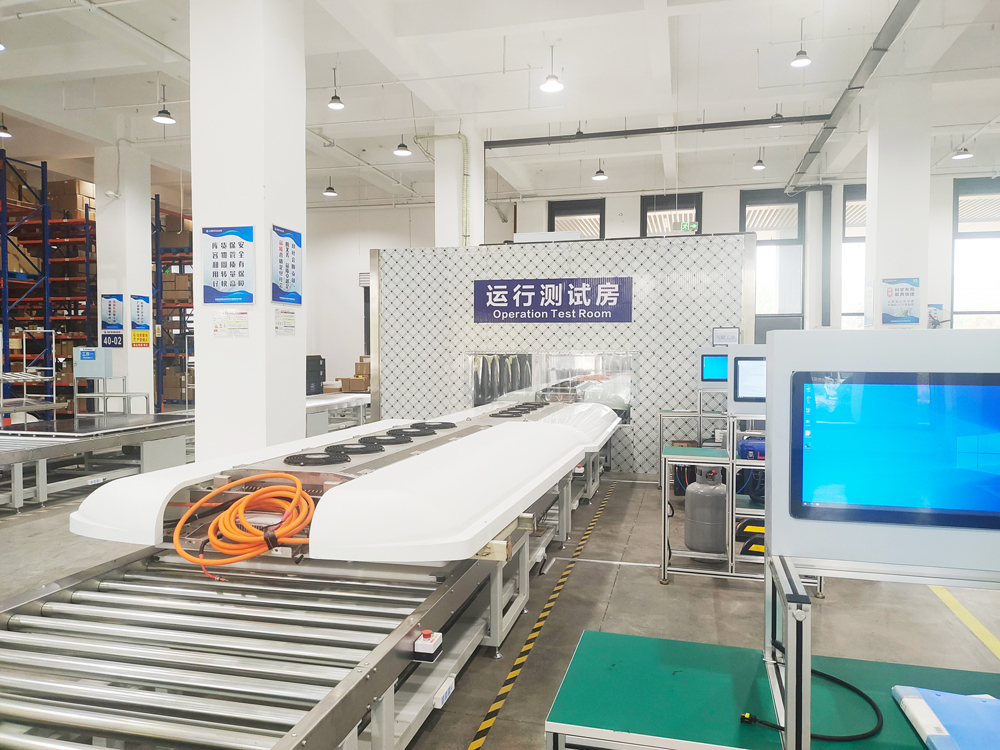
3. Solving the Pain Point: Eliminating "Energy Conflict"
In extreme heat, cooling the battery and cooling the passengers can often come into conflict. Traditional integrated systems might sacrifice one for the other.
Through our optimized logic, the NEWBASE system achieves:
Priority Switching: If the battery approaches a critical temperature threshold, the PID algorithm prioritizes BTMS (Battery Thermal Management) while maintaining basic cabin comfort by modulating compressor frequency rather than shutting it down.
Thermal Recovery: It intelligently utilizes residual cooling capacity, ensuring energy flows efficiently between the two circuits and eliminating uneven cooling issues.
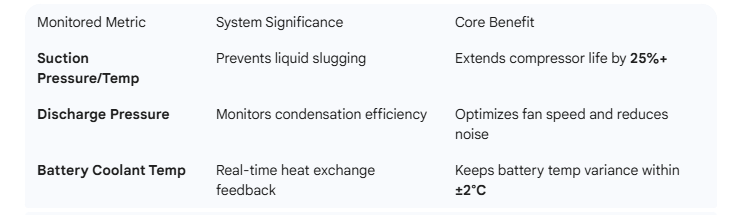
4. Data-Driven Reliability: The Role of P+T Sensors
Even the best algorithm is useless without accurate input. We place high-precision P+T (Pressure + Temperature) Sensors at critical junctions throughout the system.
Conclusion: Smarter Control, Longer Lifecycle
In the electric bus industry, every kilowatt-hour counts. By combining Multi-channel EEVs with PID control, NEWBASE isn’t just building an air conditioner; we are creating a "thinking" energy management solution for electric fleets.
This obsession with precision is why we can provide reliable, high-performance support for zero-emission transit worldwide.
Want to dive deeper into our control logic specifications?
Our engineering team is ready to help you solve complex system integration challenges